Support that goes
home with you.
Starting ELMIRON® is one step in a longer routine — diet, habits, tracking, patience. Elmiron Care is the free program that helps with the rest: guides, a bladder diary, a daily checklist, and people to call when you have a question.
- 6 free resources
- Helpline, 6 days a week
- No cost to enrol
Join Elmiron Care
Your all-access pass to the diet guide, bladder diary, daily checklist, and a support team that picks up the phone.
- ✓Free for as long as you take ELMIRON®
- ✓No forms beyond a phone call
- ✓Cancel anytime
Three ways to join — pick whichever is easiest
Enrolment is free and takes under a minute. You'll only be asked your name, phone number, and prescribing doctor.
Everything in your care folder
Six things, all included when you join Elmiron Care. Tap any tile to jump straight to it.
Understanding IC/BPS, in plain language
Interstitial Cystitis / Bladder Pain Syndrome (IC/BPS) is a long-term condition of the bladder wall that causes recurring pain, pressure or discomfort in the bladder and pelvis, often together with a frequent or urgent need to urinate. It is not an infection, and it isn't caused by anything you did.
Who it affects
IC/BPS can affect anyone, but it is far more common in women, and is often first noticed between the late 20s and 40s. Symptoms and their severity vary a great deal from person to person.
What it feels like
Pelvic or bladder pain that eases briefly after urinating, needing to go far more often than usual, waking at night to urinate, and discomfort that can flare with certain foods, stress, or hormonal changes.
Why it's manageable
There is no single cure, but most people find a workable combination of medication, diet and lifestyle changes that meaningfully reduces symptoms. It typically takes patience — improvement is measured in months, not days.
Where ELMIRON® fits in
ELMIRON® (pentosan polysulfate sodium) is prescribed to help relieve bladder pain or discomfort associated with IC/BPS. Take it exactly as your doctor has prescribed — for full prescribing information, refer to the package insert or ask your pharmacist.
This section is a general introduction, not a diagnosis or a substitute for advice from your treating doctor. If anything here doesn't match what you've been told about your own condition, trust your doctor's guidance over this page.
Eat smart. Protect your bladder.
Certain foods and drinks can irritate the bladder and worsen pain, urgency or frequency. Triggers are personal — this guide, adapted for Indian kitchens, helps you find yours.
Download the full diet guide ↓Step 1 — find your trigger foods
- Avoid common bladder irritants for 2 weeks.
- Reintroduce one food every 2–3 days.
- If symptoms worsen, that food may be a trigger.
- Keep a food-and-symptom diary as you go — pairs well with the Bladder Diary below.
Foods that commonly trigger symptoms
- Drinks
- Coffee, strong tea, cola & soft drinks, energy drinks, alcohol
- Fruits
- Orange, mosambi, lemon, pineapple, grapes (in some people)
- Vegetables
- Tomatoes, tomato ketchup, tomato soup
- Indian foods
- Very spicy curries, green/red chilli, pickles (achar), vinegar-based foods, schezwan sauces, tamarind-heavy chutneys
- Snacks & others
- Chocolate, some artificial sweeteners, spicy packaged snacks, spicy instant noodles
Bladder-friendly Indian foods
- Grains
- Rice, plain chapati/phulka, jowar & bajra roti, oats, dalia, idli, plain dosa, upma, poha
- Vegetables
- Lauki, turai, kaddu, petha, cucumber, carrot, beetroot, beans, cabbage, cauliflower, spinach (if tolerated)
- Fruits
- Pear, sweet apple, banana, papaya, watermelon, muskmelon
- Protein
- Dal & moong dal (if tolerated), chicken, fish, eggs, paneer, tofu
- Dairy & snacks
- Milk, curd (if tolerated), plain buttermilk, khakhra, roasted makhana, boiled corn, roasted chana
Cooking tips
- · Reduce chilli powder and green chillies; limit garam masala if it triggers symptoms.
- · Go easy on tomato purée; use fresh coriander instead of spicy sauces.
- · Steam, boil, grill or lightly sauté instead of deep-frying.
- · Favour fresh, home-cooked, mildly seasoned meals in smaller portions through the day.
See a sample one-day IC-friendly meal plan
Breakfast
Vegetable poha (no green chilli), glass of milk
Mid-morning
Banana or papaya
Lunch
2 chapatis, lauki sabzi, moong dal, cucumber salad, plain curd (if tolerated)
Evening snack
Roasted makhana, coconut water or plain water
Dinner
Steamed rice, grilled fish/chicken or paneer, pumpkin or beans sabzi
Every person with IC/BPS is different — a food that troubles one person may not affect another. Diet changes complement your treatment; they don't replace it. Keep taking ELMIRON® exactly as prescribed.
Three days of data says more than a month of memory
A bladder diary turns "it's been bad lately" into something your doctor can actually act on. Fill it in for 3 consecutive days and bring it to your next visit.
Download the printable diary ↓Also available bilingually — Hindi instructions are included on the printed sheet. यह डायरी हिंदी निर्देशों के साथ भी उपलब्ध है।
How to fill it in
- · Record everything you drink through the day, and every time you pass urine.
- · Estimate or measure urine volume if you can.
- · Note urgency, pain and any leakage against each entry.
- · Keep to your normal routine — don't change habits just because you're tracking.
| Time | Fluid intake | Urine output (mL) | Urgency 0–3 | Pain 0–10 | Leakage |
|---|---|---|---|---|---|
| 7:40 am | Water, 250 mL | 180 | 1 | 2 | — |
| 11:15 am | — | 150 | 2 | 4 | ✓ |
| + 3 days of rows on the printable sheet | |||||
Urgency scale
0 No urgency · 1 Mild, can wait · 2 Strong, need a toilet soon · 3 Unable to hold
Pain scale
0 No pain → 10 Worst possible pain
Only to be shared with you and your healthcare provider. Bring the completed diary to every clinic visit — it helps your doctor monitor your response to ELMIRON® treatment.
Small, steady habits — not one big fix
Treatment works alongside daily habits. None of these need to be perfect; consistency matters far more than intensity.
Download the full guide ↓Take ELMIRON® as prescribed
Don't stop without talking to your doctor. Improvement can take 3–6 months, sometimes longer — the bladder lining heals slowly, so keep going even before you feel a difference.
Stay hydrated, sensibly
Sip water through the day rather than drinking a lot at once. Cutting back too much concentrates urine, which can irritate the bladder further.
Build healthy bladder habits
Don't hold urine for long periods — empty your bladder when you feel the urge, and follow your doctor's advice on any bladder training.
Stay active, gently
Low-impact activity — walking, swimming, gentle yoga, stretching — supports overall health. Ease off anything that worsens symptoms during a flare.
Manage stress on purpose
Stress can trigger flares. Deep breathing, meditation, yoga, a relaxing hobby, and enough sleep all help more than they might seem to.
Prevent constipation
A full bowel adds pressure on the bladder. Fibre-rich food (if tolerated), enough water, and staying active all help; ask your doctor if it persists.
Protect your sleep
Poor sleep can heighten pain sensitivity. Keep a regular sleep schedule, cut evening caffeine, and — if your doctor advises it — ease off fluids 2–3 hours before bed.
Dress for comfort
Loose-fitting clothes and breathable cotton underwear reduce pressure on the pelvic area.
If you smoke, plan to stop
Smoking can irritate the bladder and raises the risk of several bladder conditions. Ask your doctor about support to quit.
Track what changes
A bladder diary of fluids, frequency, pain and triggers helps your doctor personalise your treatment.
Keep every follow-up
Regular visits let your doctor monitor progress, adjust treatment, and catch concerns early.
Your daily IC/BPS checklist
Tick these off as you go. Saved on this device only — nothing is sent anywhere.
During a flare
- ✓ Drink water regularly and avoid your known trigger foods.
- ✓ Rest, and skip strenuous activity for a day or two.
- ✓ Use your relaxation techniques.
- ✓ Keep taking your medicines as prescribed.
- ✓ Contact your doctor if symptoms are severe or don't ease.
Seek medical attention immediately if you have
- ! Fever or chills
- ! Blood in your urine
- ! Inability to pass urine
- ! Severe or worsening pain
- ! Persistent vomiting
- ! Any new or concerning symptom
IC/BPS is a chronic condition, but most people reach good symptom control with consistent treatment and self-care. Healing takes time — stay with it.
Hear it explained, not just read it
Six short talks from the Induction Course for Patients, produced by the Global IC/BPS Bladder Pain Society (GIBS) ↗. Each opens on YouTube in a new tab.

IC/BPS Introduction
Dr. Raman Tanwar
What IC/BPS looks like in real life — the diagnostic journey many patients go through before finding an answer.
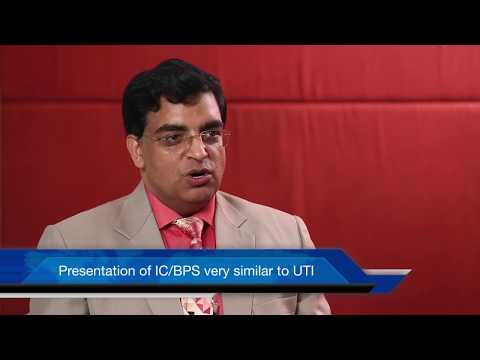
Clinical Presentation of IC/BPS
Dr. Rajesh Taneja
How doctors distinguish IC/BPS from a urinary infection, and the symptom pattern that points to it.
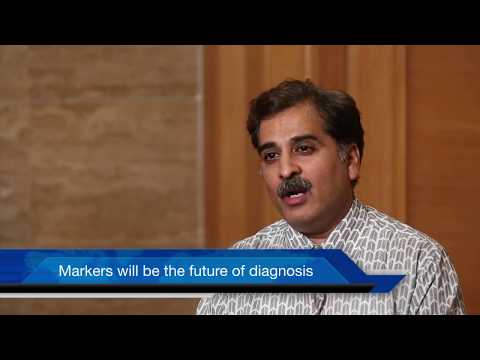
Diagnosis of IC/BPS
Dr. Shivam Priyadarshi
The tests used to rule out other causes and support a diagnosis — urine tests, imaging, and cystoscopy.

Treatment of IC/BPS
Dr. Sanjay Pandey
An overview of treatment options, from oral medication to pelvic floor therapy and surgical options.
Pain Management in IC/BPS
Dr. Navita Purohit
Why pain management is a core part of IC/BPS care, and the therapies used alongside medication.

Diet in IC/BPS
Dr. Amita Jain
How to identify your personal food triggers — the same elimination approach as our diet guide above.
Want a topic covered? Tell us on the helpline or WhatsApp and we'll add it to the list.
Need help? We're a call away.
Questions about your medicine, your symptoms, or the program itself — our support team is trained to help, and will point you back to your doctor whenever that's the right next step.
What we can help with
- ✓ Understanding how and when to take ELMIRON®
- ✓ Questions about the free resources on this page
- ✓ Enrolling in the Elmiron Care program
- ✓ Connecting you back to your prescribing doctor
- ✓ General guidance on diet and lifestyle habits
Reach us
Monday – Saturday, 9:00 AM – 6:00 PM
For patients prescribed ELMIRON® (pentosan polysulfate sodium). This page is provided for general educational purposes and does not replace professional medical advice, diagnosis or treatment. Always take ELMIRON® exactly as prescribed, and consult your treating physician before making changes to your medication, diet or exercise routine. For complete prescribing information, refer to the package insert accompanying your medicine.
If you believe you are experiencing a medical emergency, contact your doctor or nearest hospital immediately — do not wait for a callback from this program.